
Advanced Surgical Care to Save Your Natural Tooth
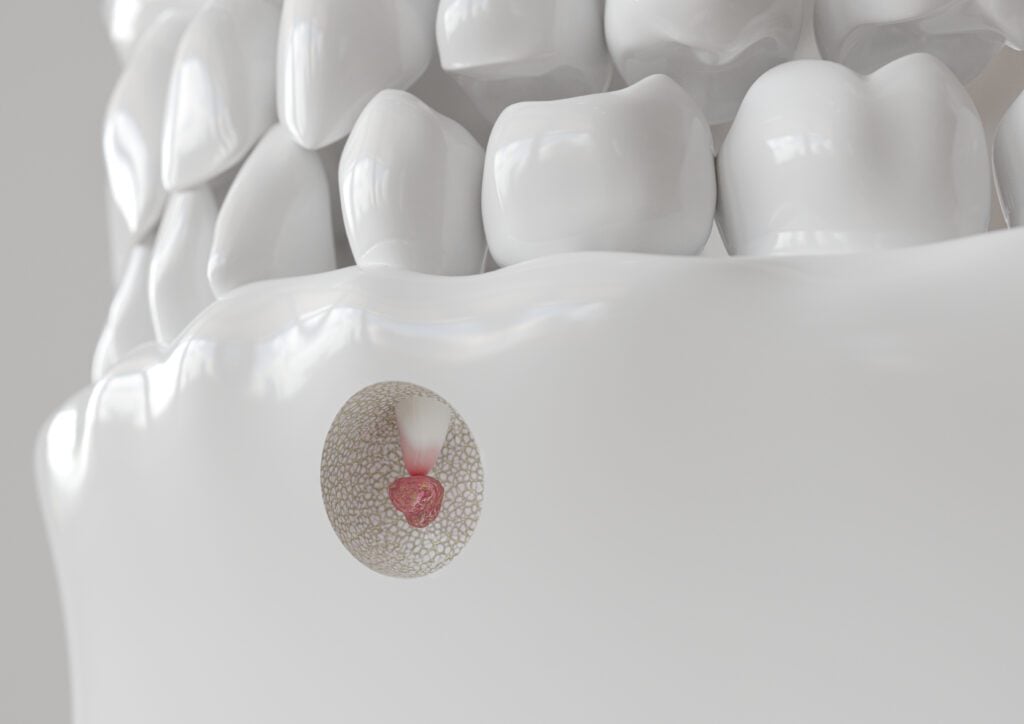
If a tooth continues to hurt or show signs of infection even after a root canal, an apicoectomy may be the answer you need. At Knoxville Endodontics, our team performs apicoectomy and endodontic microsurgery procedures with a level of precision that helps patients across East Tennessee keep their natural teeth rather than losing them to extraction. With over 50 years of combined experience, our doctors have built a reputation as trusted specialists in advanced root-end surgery.
What Is an Apicoectomy?
An apicoectomy, also called root-end surgery, is a type of microsurgery that treats infection or inflammation at the very tip of a tooth’s root, known as the apex. When a traditional root canal or retreatment isn’t enough to resolve a persistent problem, and going back through the crown of the tooth isn’t possible or advisable, this procedure allows our doctors to access and treat the issue directly from below the gumline. An apicoectomy is often recommended for patients dealing with:
- Recurrent or chronic infections that haven’t responded to earlier treatment
- Root fractures or canals that are blocked and cannot be cleaned conventionally
- Persistent cysts or ongoing inflammation near the root tip
- A previous root canal that has failed to heal properly
How the Procedure Works
During an apicoectomy, your endodontist will numb the area thoroughly, then make a small, precise incision in the gum tissue to reach the root tip. From there, the infected or inflamed tissue is carefully removed. The root tip itself is trimmed and cleaned, and a small filling is placed to seal the end of the canal from the outside in. The gum tissue is then closed with a few sutures, and your body takes over from there, gradually healing and rebuilding healthy bone around the treated root. Any tissue removed during the procedure is typically sent to a pathology lab for evaluation, giving your care team extra peace of mind.
What Is Endodontic Microsurgery?
Microsurgery is the broader category of surgical techniques used in endodontics, and an apicoectomy is one of the most common procedures within it. Endodontic microsurgery is often recommended when a previous root canal has failed, when the source of a problem can’t be identified through conventional exams, or when standard treatment methods simply aren’t enough. In some cases, microsurgery is also used to remove calcium deposits inside a canal, repair damaged root surfaces, or treat areas that don’t show up clearly on standard X-rays.
Technology That Makes a Difference
Our team relies on advanced tools to make apicoectomy and endodontic microsurgery procedures as precise and comfortable as possible, including:
- Dental operating microscopes for magnified, detailed visibility of the root structure
- Ultrasonic instruments that allow for precise, minimally invasive treatment
- Micro-surgical instruments designed to navigate tight or complex root anatomy
- Cone beam 3D imaging to map the tooth and surrounding bone before surgery
- Bioceramic root-end filling materials that support long-term healing and sealing
Together, these technologies allow our doctors to diagnose and treat with a level of detail that simply wasn’t possible with older techniques, improving comfort, precision, and long-term outcomes for our patients.
Comfort and Care You Can Trust
We understand that hearing the word “surgery” can bring on some nerves, especially if you’ve already been through a root canal on the same tooth. Our team takes time to walk you through every step of the process, answer your questions, and make sure you’re comfortable before, during, and after treatment. Many patients are surprised by how smooth their recovery is thanks to modern techniques and careful aftercare instructions.
Frequently Asked Questions
Is an apicoectomy painful?
Most patients report only mild discomfort after the procedure, similar to what you might feel after a routine extraction. Local anesthesia keeps you comfortable throughout treatment, and any post-surgical soreness is typically managed well with over-the-counter pain relief.
How long does recovery take?
Initial healing usually takes just a few days, though complete bone regeneration around the root tip can take several months. Most patients return to normal activities within a day or two.
Will my insurance cover this procedure?
Coverage varies by plan. Our team is happy to help verify your benefits and answer any questions about cost before your visit.
How successful is apicoectomy and endodontic microsurgery?
Thanks to advances in microscopy, imaging, and materials, success rates for modern apicoectomy procedures are higher than ever, often allowing patients to keep a tooth that might otherwise have been extracted.
Ready to Save Your Tooth? Here’s How to Get Started
If you’re experiencing ongoing pain in a previously treated tooth, or your dentist has referred you for surgical endodontic treatment, don’t wait to get answers. Our doctors at Knoxville Endodontics have decades of combined experience helping patients throughout Knoxville and East Tennessee preserve their natural smiles through expert apicoectomy and endodontic microsurgery care.
Our team is happy to walk you through what to expect and address any concerns before you commit to a procedure. Call our Knoxville office to speak with our team or request an appointment online. We’re ready to help you find lasting relief and keep your natural tooth healthy for years to come.